Sex Therapy

What Do You Look for in a Therapist?

Finding a therapist is no easy feat. From insurance to personality compatibility to coordinating schedules, searching for the right mental health professional can be understandably overwhelming. This article is meant to guide you through the process, covering how to find the right fit, how to tell if they’re the right fit, and how to measure quality of care.

Where to begin your search

  • Word of mouth is a great way to find therapists in your area, especially if the recommendation comes from someone who knows you and your needs well. If you do want to pursue a recommendation from a friend, make sure you check that it’s not a conflict of interest to see the same therapist. 

  • If you are insured, a good place to start is your insurance company’s directory of in-network professionals. 

  • If you are uninsured or you’re looking for alternative search engine options, here are some alternative places to look for a therapist.

    • Open Path Collective

      1. “Open Path Psychotherapy Collective is a nonprofit nationwide network of mental health professionals dedicated to providing in-office and online mental health care—at a steeply reduced rate—to clients in need.” 

    • Inclusive Therapists

      1. “Seeking therapy can be a vulnerable process. We understand. We aim to make it simpler and safer for people in marginalized communities. Find a culturally responsive, 2SLGBTQ+ affirming therapist that celebrates your full identity” 

    • APA Psychologist Locator

      1. APA is the leading scientific and professional organization representing psychology in the United States, with more than 133,000 researchers, educators, clinicians, consultants, and students as its members.

    • TherapyDen

      1. “We are an online community of mental health professionals seeking to make the experience of finding a therapist easy.” 

    • Therapy For Black Girls

      1. “So often the stigma surrounding mental health issues and therapy prevents Black women from taking the step of seeing a therapist. This space was developed to present mental health topics in a way that feels more accessible and relevant.”

Considerations for your search parameters

  • Finding the name of a therapist is one thing, but it’s an entire other thing to find a therapist who works for you and your needs.  

  • When you’re considering what might make a therapist a good fit for you, think first of whether or not you have any identity preferences such as gender or race that would allow a therapist to relate to certain experiences. 

  • Before meeting with a therapist, try to do initial phone screenings of several options to ask about their specialties, whether they have experience with your specific issues, what structure their sessions usually follow, and any other information that you might need. 

  • Logistical factors you may need to take into consideration are location, cost, mutual schedule availability, and the therapist’s availability outside of sessions, such as for emergencies. 

How to tell if they’re the right fit

  • You feel comfortable being vulnerable around them (at least relative to others)

  •  They have strong, clearly communicated boundaries about their policies and personal life

  • You are able to share concerns about the therapeutic relationship and they respond with openness and a desire to problem solve 

  • They respect your values and identity 

  • They guide you to your goals and coach you to be able to make your own decisions 

  • They challenge you in constructive ways. For example, they might ask you to reconsider a self-deprecating statement and work to get to the root of the thought in order to unpack it

Signs that they’re not a good fit

  • They judge you or shame you 

  • They have no experience with your issue(s)

  • They overshare about themselves

  • They tell you what to do rather than guiding you to make your own decisions

  • You regularly feel worse after your session
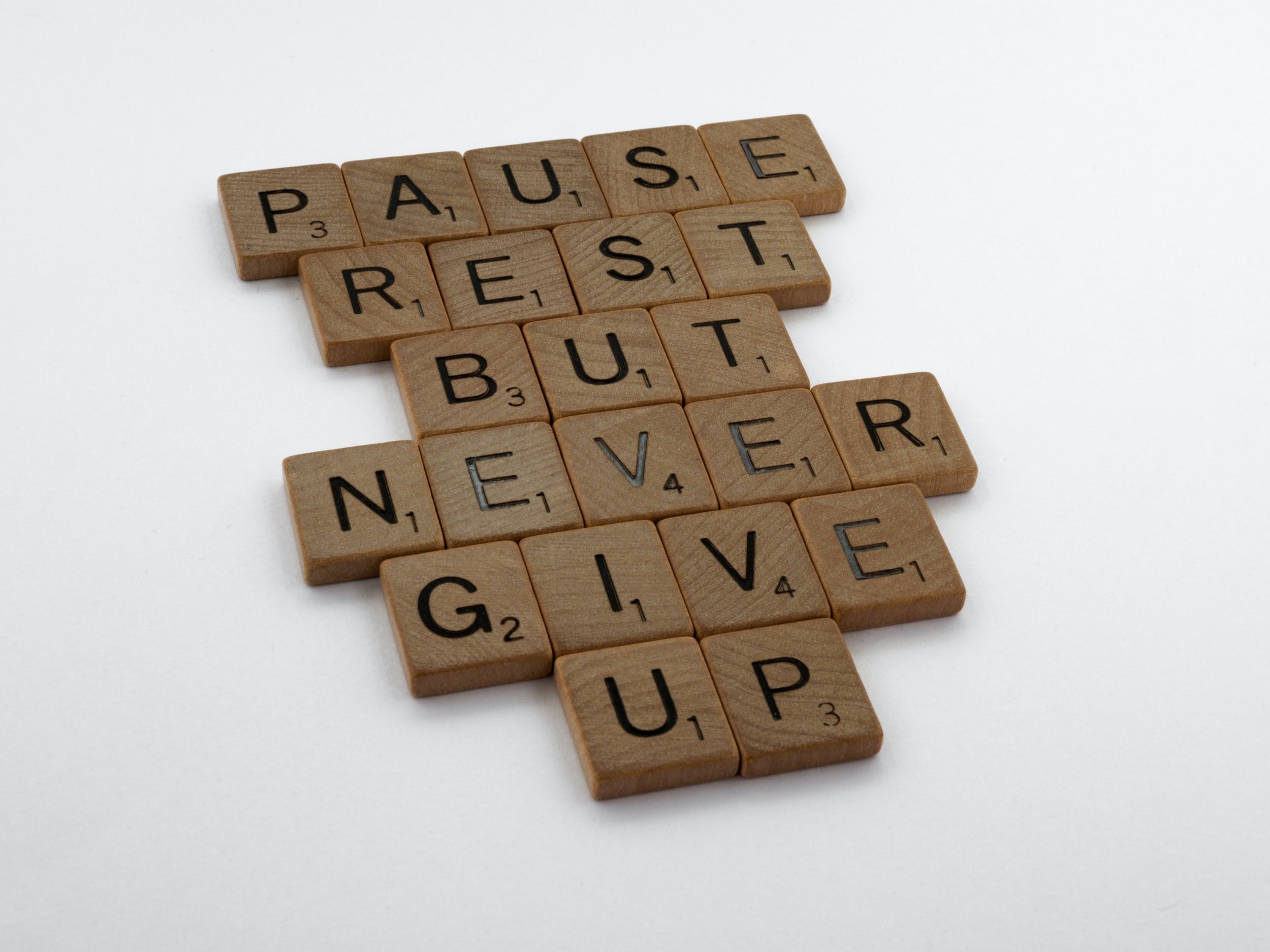
It will take some time to find a therapist who works for you and when you’re in need of help, that can be discouraging. Perhaps try asking a trusted friend or family member to aid you in your search and/or ask them to sit with you for moral support while you do it. Once you do find a good therapist, it will be worth it. Simply wanting to seek help is a huge first step so show yourself gratitude for taking the time to read this. If you are seeking therapy for concerns related to sexuality or your relationships, consider reaching out to Embrace Sexual Wellness to see if our team might be a good fit for you. 

Physical Intimacy After Sexual Trauma

Content warning: discussion of trauma and sexual assault

Sexual trauma is one of the most harrowing experiences someone can go through and unfortunately, it’s far too common. Sexual trauma can be caused by any kind of non-consensual sexual experience; including rape, sexual assault, sexual harassment, and childhood molestation. Given that trauma is subjective, it is up to the individual to determine how to define their experience. On average, there are 450,000+ survivors of rape and sexual assault every year in the United States, a number which is likely underreported. Survivors of sexual trauma frequently struggle with PTSD and are more likely to abuse drugs and alcohol to cope. Experiencing sexual trauma has the potential to upend someone’s entire life, not least of all their sex life. Trauma responses can range from sex repulsion to hyper-sexuality. There is no one timeline or coping strategy that will work for every survivor of sexual assault so the most important part is to respect one’s own boundaries and to move at a pace that feels comfortable. There’s no obligation to return to consensual sex but for those who want that, healing is possible, even if it is sometimes challenging. 

Common obstacles to resuming consensual intimacy may include negative body image, flashbacks, and PTSD. If it’s accessible to you, work with a trauma informed therapist to facilitate your healing process. Embrace Sexual Wellness offers therapy to address sexual trauma concerns and you can learn more about our services here. In the meanwhile, the following tips and resources can assist your healing process. 

General Tips

  • Identify your specific triggers and boundaries to understand what your healing process should work to address

  • Move at your own pace

  • Explore intimacy solo before partnered 

  • Test out different coping mechanisms for trauma healing such as talk therapy, mindfulness, and medication 

  • Reassociate intimacy, touch, and sensuality with positive connotations

  • When returning to partnered intimacy, be in constant communication


Body Image 

  • If your body image has been affected by sexual trauma, it may put you at risk for self-harm or disregard for your own safety so it is vital to address as soon as possible

  • Surround yourself online and in real life with a diverse community of body positive or body neutral people, especially on social media

  • Understand that you deserve peace and to feel worthy. You deserve self-compassion

  • Resources

Flashbacks/PTSD

Reintroducing Intimacy


Reclaiming Sexuality

  • Masturbation can aid in reclaiming a sense of control and ability to experience sexual pleasure

  • Both hypo- and hypersexuality are normative post-trauma responses 

  • Read articles and books to guide you through reclaiming your sexuality. Good book options include 

    • The Body Keeps the Score by Bessel van der Kolk

    • Dear Sister: Letters from Survivors of Sexual Violence edited by Lisa Factora-Borchers

    • The Rape Recover Handbook: Step by Step Help for Survivors of Sexual Assault by Aphrodite T. Matsakis

    • The Sexual Healing Journey by Wendy Maltz

    • Healing Sex: A Mind-Body Approach to Healing Sexual Trauma by Staci Haines 

  • Talk about shame, obstacles, concerns, and intimacy through with a consenting friend or, ideally, a mental health professional

  • Be patient and kind to yourself

  • Resources


Regardless of your experience or post-trauma response, you deserve to heal, reclaim your sexuality, and enjoy sex again (if you enjoyed sex pre-trauma). Your experience is valid and please give yourself grace as you navigate the complex feelings associated with healing trauma. Build your support network, read up on healing strategies, and be patient. If you’ve tried healing on your own and you need more support, contact us for trauma-informed therapy.

Sexuality Professionals Series: An Interview with Casey Tanner

Embrace Sexual Wellness is conducting a multipart spotlight series of interviews with sexuality professionals. If you missed the previous ones, check them out on our blog. For the third installment in our interviews, we spoke with Casey Tanner (she/they), owner of The Expansive Group.

Casey Tanner is an AASECT Certified Sex Therapist who combines evidence-based research, queer affirming care, and pleasure activism to cultivate powerful relationships. Specializing in gender and sexual diversity, she partners with individuals, relationships, and institutions to expand limited mindsets, foster courageous behavior, and empower meaningful change around gender and sexuality.  After several individuals, couples and businesses sought out Casey’s guidance in making cultural shifts around gender and sexuality, they started The Expansive Group to better meet the growing demand.

Sex therapy is a type of psychotherapy focused specifically on sexual health, function, intimacy issues, and feelings, among other topics. While all sex therapists are formally trained, many but not all are officially AASECT-certified professionals. Typically, though not always, sex therapy is temporary, to address certain issues. Through sex therapy, you can learn to express your concerns clearly, better understand your own sexual needs and better understand your partner's sexual needs.

What inspired you to pursue your career path? 
The life-changing experience of talking about sex and queerness with my own therapist.  This space wasn't available to me until my early 20s and, for so many, is never available.  I wanted to become the space that I needed growing up - everything I do is, in some ways, a love letter to my younger queer self.

How does your field differ from that of other sexuality professionals?
My field (the intersection of therapist, educator, influencer, and consultant) is brand new!  While it's based on best-practices and evidence-based research from each of those individual fields, the combination feels like a new story that I'm writing every day.  There's no (updated) guidebook on how to balance the confidentiality ethics of being a therapist with the nuance of being an educator/influencer.  One of the more unique parts of my job is working with companies who want to do a better job around gender neutral language - I think of it as a sort of large-scale therapy for businesses!

What is the most rewarding part of your career?
Receiving feedback from my audience, students, or team that the space I'm creating means something to them. I get a lot of feedback that folks haven't seen anything like this before, and that really validates the "why" behind the work.

What's the most misunderstood thing about what you do?
That being a gender/sexuality professional means I have my own relationships and identity figured out. Surprise - I don't!

What's the most common question you receive from others about your career?
People often ask me what "queer sex" is. I usually respond with, "queer sex is intimacy that expands beyond the binary - it challenges our ideas on what is or isn't sex, what is or isn't normal, what is or isn't allowed."

What advice would you want to share with aspiring sexuality professionals?
To the extent possible, choose supervisors with a sexuality/queer background. I think direct supervisors are more important than the workplace itself, so don't silo yourself into only working in sexuality-focused practices. If you're able, do an administrative internship with a therapist or educator before graduate school so that you have a great letter of recommendation when it comes time for practicum applications.

If you had to describe your work in one sentence, what would you say?
I expand folks' ideas of what healthy sexuality looks like to include more diversity and more pleasure.

Thank you to Casey for taking the time to share their perspective. We encourage you to find Casey on social media and her websites, linked below.