Is the Media Misleading Us in Love? 7 Common Myths That Harm Real-Life Relationships
Insights from Chicago Sex Therapists at Embrace Sexual Wellness
Have you ever noticed that real-life relationships often feel very different from what you see in movies, TV shows, or on social media? Romantic comedies show love as effortless and passionate all the time. Reality shows make jealousy look glamorous. Social media suggests that grand gestures or perfect appearances define commitment.
While entertaining, these portrayals can create unrealistic expectations. Believing in them can lead to disappointment, misunderstandings, and pressure on partners to behave or feel a certain way.
At Embrace Sexual Wellness, our team of Chicago sex therapists works with clients navigating these gaps between media portrayals and real-life relationships. This article explores seven common myths promoted by media, why they can be harmful, and healthier alternatives to help couples build strong, realistic, and fulfilling connections.
1. True Love Means Constant Passion
Where it comes from: Romantic films, TV dramas, and fairy tale narratives.
Why it’s harmful: Expecting every relationship to feel like a constant thrill can make everyday intimacy seem dull or inadequate. Passion naturally fluctuates in healthy relationships.
A healthier approach: Focus on consistent connection, emotional support, and shared experiences. Passion can be nurtured over time through communication, playfulness, and small gestures rather than expecting constant excitement.

2. Jealousy is Proof of Love
Where it comes from: Reality TV shows, teen dramas, and social media posts that glamorize possessiveness.
Why it’s harmful: Believing jealousy is romantic can normalize controlling or insecure behavior. Over time, this can lead to mistrust and anxiety in relationships.
A healthier approach: View trust, respect, and open communication as true indicators of love. Partners who feel safe and secure are more likely to maintain intimacy and satisfaction.

3. Love Alone Can Solve Problems
Where it comes from: Classic romance movies, melodramatic TV shows, and romantic novels.
Why it’s harmful: Expecting love alone to heal personal or relational challenges puts unrealistic pressure on the relationship. It may lead to frustration when conflicts or personal issues remain unresolved.
A healthier approach: Healthy relationships require effort, communication skills, and sometimes external support such as counseling. Addressing challenges together strengthens intimacy and resilience.

4. Grand Gestures Define Romance
Where it comes from: Films, music videos, and social media trends that celebrate dramatic displays of affection.
Why it’s harmful: Believing that love depends on grand, public gestures can make everyday acts of care feel undervalued. Partners may feel they are failing if they cannot perform elaborate displays.
A healthier approach: Prioritize daily acts of kindness, consistent support, and attentive communication. These actions build deeper, lasting connection than occasional dramatic moments.

5. Sexual Compatibility Should Be Instant
Where it comes from: TV shows, movies, and dating reality series portraying instant chemistry.
Why it’s harmful: This narrative can create anxiety and self-doubt if sexual compatibility develops gradually. It can make normal exploration feel abnormal.
A healthier approach: Sexual intimacy grows through trust, communication, and curiosity. Couples can enhance satisfaction by discussing desires openly and practicing patience.

6. Conflict Means a Bad Relationship
Where it comes from: Romantic comedies and idealized TV couples.
Why it’s harmful: Thinking that healthy relationships are conflict-free can make ordinary disagreements feel alarming. Avoiding conflict entirely can also prevent growth and understanding.
A healthier approach: View disagreements as opportunities to learn and connect. Addressing conflict with empathy, listening, and collaboration strengthens relationships.

7. Partners Should Meet All Emotional Needs
Where it comes from: Drama films, soap operas, and social media depictions of “perfect love.”
Why it’s harmful: Expecting one person to meet all emotional needs can create codependency, frustration, or resentment. No individual can provide everything another person requires emotionally.
A healthier approach: Cultivate a support network that includes friendships, hobbies, and self-care. Sharing intimacy with a partner while maintaining independence promotes a balanced, healthy relationship.
Why Media Literacy Matters
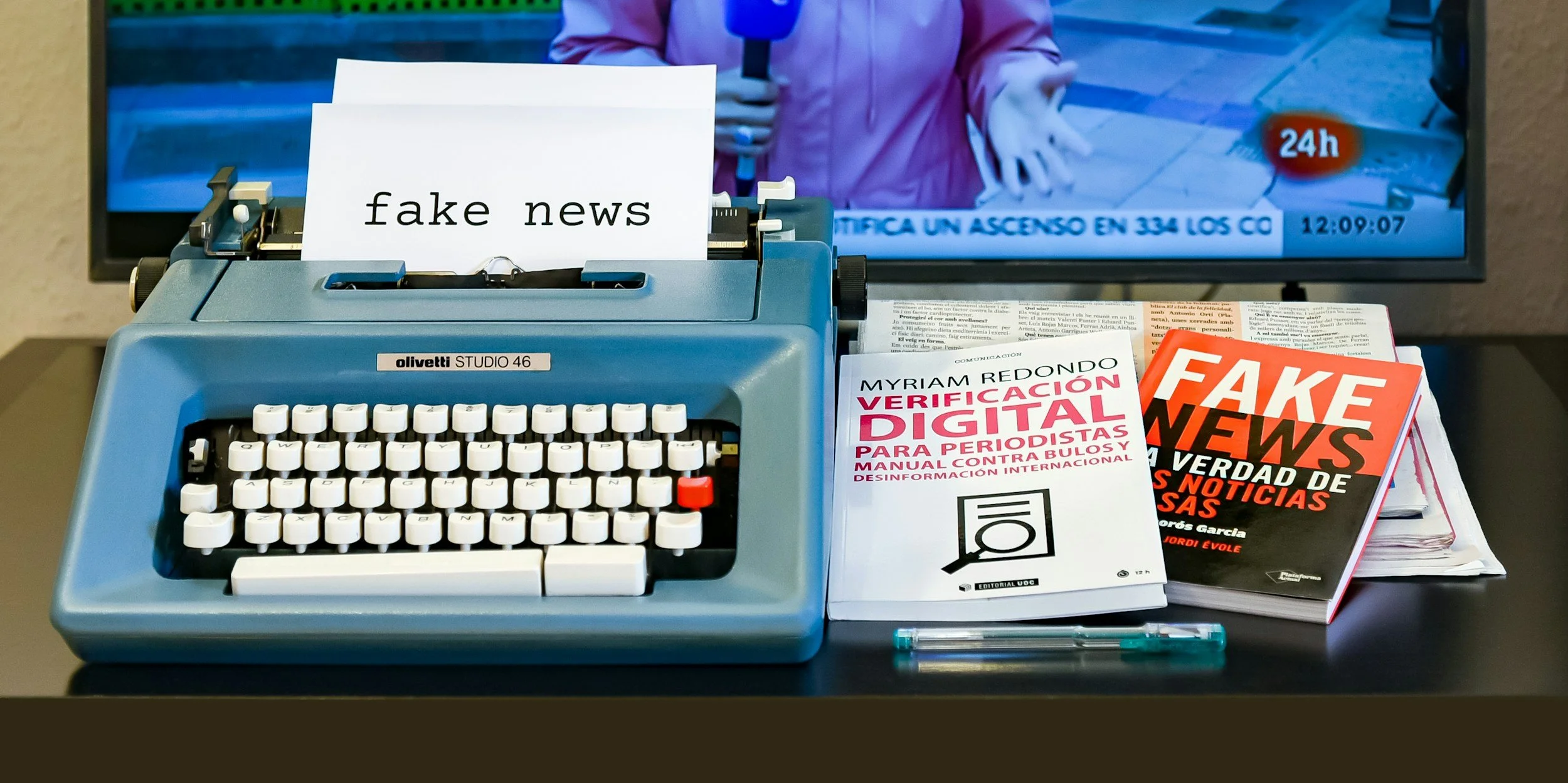
Media is a powerful influence, but it rarely reflects reality. Recognizing these myths helps couples manage expectations and communicate more effectively. Understanding that media often prioritizes drama over reality allows partners to focus on authentic connection, trust, and mutual support rather than chasing fantasy ideals.
How A Sex Therapist Can Help
A sex therapist or relationship counselor can help couples identify internalized media messages, address unrealistic beliefs, and replace them with practical, healthy strategies. Therapy provides tools for communication, intimacy building, and navigating challenges, enabling couples to develop relationships that are realistic, satisfying, and resilient.
TLDR
Movies, TV, and social media can be entertaining but often portray relationships in misleading ways. Myths about constant passion, jealousy, grand gestures, and conflict-free love can harm real-life connections. Our team helps couples recognize these myths, understand their impact, and cultivate relationships grounded in communication, authenticity, and mutual support. Separating fantasy from reality allows couples to thrive and maintain intimacy in healthy, sustainable ways.
Learn more about therapy services and schedule a free intro call with a sex therapist today.