Tips for Talking With Young People About Sex

Sex can be a tricky and  uncomfortable conversation topic for  many people, especially when it comes to talking with young people. At the end of the day, the vast majority of young people will be curious about sex at some point; it’s far preferable for them to be equipped with accurate information about safer sex, boundary setting, and consent despite the associated discomfort. Furthermore, the only way anyone, adults and young people alike, can mitigate that discomfort and the taboo around sex is to open up these conversations. Sex is nothing to be ashamed of and unfortunately, in the United States, it’s often perceived as dirty and inappropriate. The reality is that it’s a fun and normal part of being human.

A foundational part of talking about sex,  like any complex subject, is to familiarize yourself with relevant terminology. Talking about sex with young people doesn’t mean you should go around talking to toddlers about explicit sex acts but there is a way to introduce the topic in a gradual, age-appropriate way that builds on itself. Starting to introduce proper terms like “penis,” “vulva,” “vagina,” “clitoris,” “buttocks,” and “nipples” even before a child is verbal is a great starting point. Though introducing these terms may feel uncomfortable, at the end of the day they’re simply names for body parts that everyone should get used to using. 

As kids get a little older, it is vital to help them get acquainted with the concepts of consent and boundaries, both within and outside a sexual context. Kids must be taught that no one has a right to their body and they have every right to say no to being touched in any way. This also works the other way, kids must be taught to respect other people’s consent and boundaries. 

It’s important to keep in mind that these days, as children are introduced to the internet earlier and earlier, they are more prone to being prematurely exposed to explicit content. This will inevitably prompt natural curiosity that the adults in their lives need to be prepared to address. 

As a young person gets closer to the onset of puberty, this is the a time to start discussing bodily changes, menstruation, and masturbation. There are plenty of books that cover these topics extensively that can be beneficial to both the child and adult in question. 

Ultimately, regular conversations with young people about sex and adjacent topics is a good way to ensure they’re equipped with the necessary information to make good decisions about their bodies and their sex lives (if and when they choose to have one).  

Having these conversations can certainly be daunting. That’s where we come in! Embrace Sexual Wellness has a program specifically aimed at helping parents and other caregivers be sex-positve role models for the children in their lives. To learn more about how you can start to feel prepared and empowered for these conversations, check out this link.

Physical Intimacy After Sexual Trauma

Content warning: discussion of trauma and sexual assault

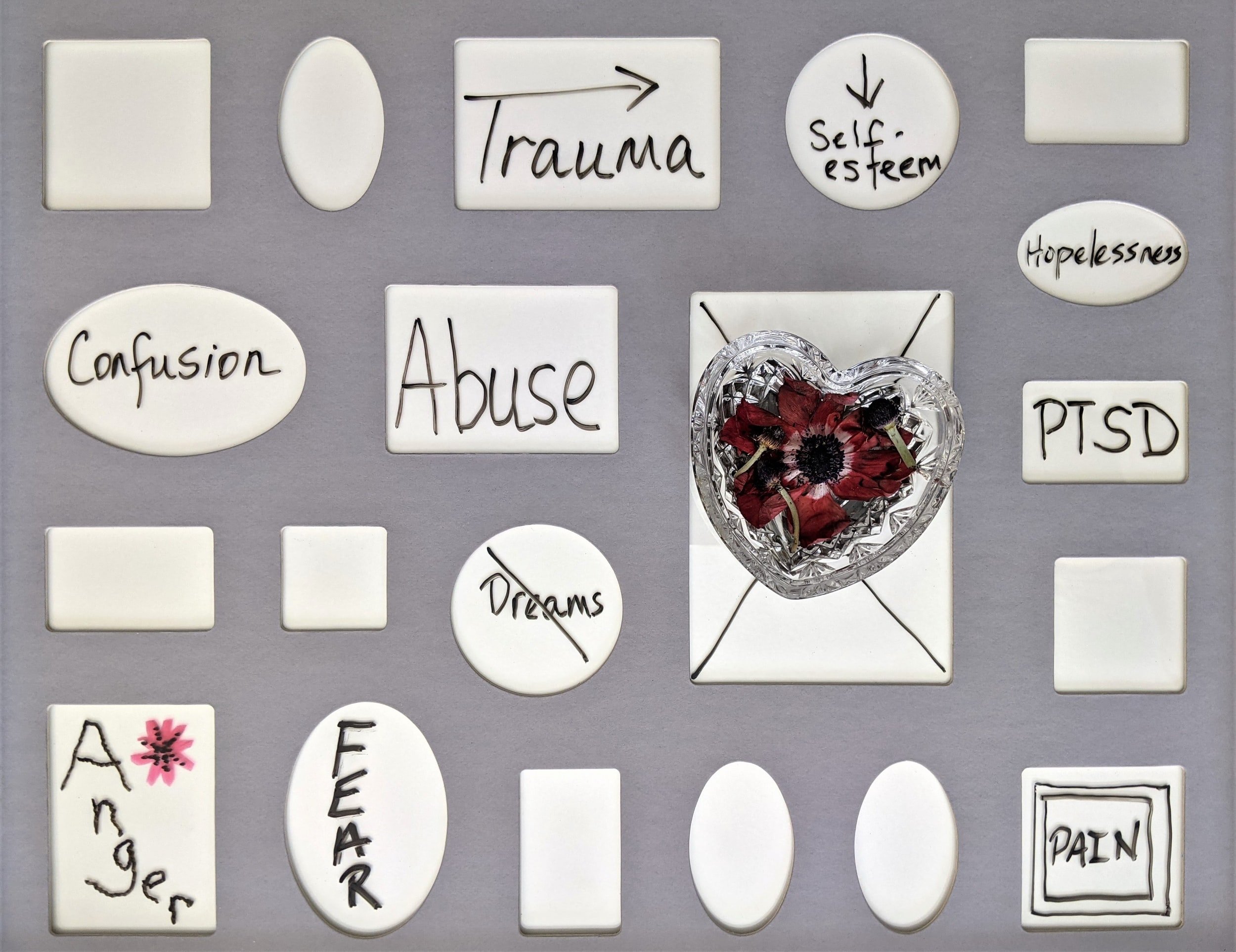
Sexual trauma is one of the most harrowing experiences someone can go through and unfortunately, it’s far too common. Sexual trauma can be caused by any kind of non-consensual sexual experience; including rape, sexual assault, sexual harassment, and childhood molestation. Given that trauma is subjective, it is up to the individual to determine how to define their experience. On average, there are 450,000+ survivors of rape and sexual assault every year in the United States, a number which is likely underreported. Survivors of sexual trauma frequently struggle with PTSD and are more likely to abuse drugs and alcohol to cope. Experiencing sexual trauma has the potential to upend someone’s entire life, not least of all their sex life. Trauma responses can range from sex repulsion to hyper-sexuality. There is no one timeline or coping strategy that will work for every survivor of sexual assault so the most important part is to respect one’s own boundaries and to move at a pace that feels comfortable. There’s no obligation to return to consensual sex but for those who want that, healing is possible, even if it is sometimes challenging. 

Common obstacles to resuming consensual intimacy may include negative body image, flashbacks, and PTSD. If it’s accessible to you, work with a trauma informed therapist to facilitate your healing process. Embrace Sexual Wellness offers therapy to address sexual trauma concerns and you can learn more about our services here. In the meanwhile, the following tips and resources can assist your healing process. 

General Tips

  • Identify your specific triggers and boundaries to understand what your healing process should work to address

  • Move at your own pace

  • Explore intimacy solo before partnered 

  • Test out different coping mechanisms for trauma healing such as talk therapy, mindfulness, and medication 

  • Reassociate intimacy, touch, and sensuality with positive connotations

  • When returning to partnered intimacy, be in constant communication


Body Image 

  • If your body image has been affected by sexual trauma, it may put you at risk for self-harm or disregard for your own safety so it is vital to address as soon as possible

  • Surround yourself online and in real life with a diverse community of body positive or body neutral people, especially on social media

  • Understand that you deserve peace and to feel worthy. You deserve self-compassion

  • Resources

Flashbacks/PTSD

Reintroducing Intimacy


Reclaiming Sexuality

  • Masturbation can aid in reclaiming a sense of control and ability to experience sexual pleasure

  • Both hypo- and hypersexuality are normative post-trauma responses 

  • Read articles and books to guide you through reclaiming your sexuality. Good book options include 

    • The Body Keeps the Score by Bessel van der Kolk

    • Dear Sister: Letters from Survivors of Sexual Violence edited by Lisa Factora-Borchers

    • The Rape Recover Handbook: Step by Step Help for Survivors of Sexual Assault by Aphrodite T. Matsakis

    • The Sexual Healing Journey by Wendy Maltz

    • Healing Sex: A Mind-Body Approach to Healing Sexual Trauma by Staci Haines 

  • Talk about shame, obstacles, concerns, and intimacy through with a consenting friend or, ideally, a mental health professional

  • Be patient and kind to yourself

  • Resources


Regardless of your experience or post-trauma response, you deserve to heal, reclaim your sexuality, and enjoy sex again (if you enjoyed sex pre-trauma). Your experience is valid and please give yourself grace as you navigate the complex feelings associated with healing trauma. Build your support network, read up on healing strategies, and be patient. If you’ve tried healing on your own and you need more support, contact us for trauma-informed therapy.

Understanding the Minority Stress Model

One’s identities (race, gender, religion, and more) and their according privilege or lack thereof affect how they are treated in society. Those who belong to marginalized groups such the LGBTQ+ community and BIPOC communities, for example, are at risk for experiencing minority stress. The minority stress model is a theory that provides insight into the relationship between minoritized/marginalized and dominant groups that result in a contentious social environment for the minority group members. 

The first person to coin the term was Dr. Virginia Rae Brooks in her book, Minority Stress and Lesbian Women in 1981. Ilan Meyer’s 2003 study, Prejudice, Social Stress, and Mental Health in Lesbian, Gay, and Bisexual Populations advanced Brooks’ research. Beyond this study, there are dozens of additional studies providing the existence of minority stress. The contentious social environment, especially prejudice and discrimination, has detrimental effects on the wellbeing of minority group members. The five types of minority stress are victimization, discrimination, heteronormative cultural norms, stereotyping and prejudice, and systematic bias. These ongoing stressors are what cause the detrimental effects of minority stress as a whole. It’s important to note that minority stress is distinct from general stress, which everyone can experience. Unlike general stress, minority stress is chronic and socially-based. The overarching social structures that create prejudice and discrimination in the first place are staples of society which means they are unending and inescapable.

Intersectional theory demands that we are, among other things, context specific. This means that people and, in the context of therapy, patients all have different needs, access, and privilege that all need to be taken into account when assessing one’s stress levels. There are a variety of theories about integrating treatment strategies to specifically target minority stress. 

One such theory is the ESTEEM model which aims to address mental, sexual, and behavioral health needs. It’s important to note that the study underlying the ESTEEM model was done on sexual minority men so while the information it generated is important, the research scope was limited. The ESTEEM model includes ten treatment modules to be conducted in one-on-one settings that range from tracking instances of minority stress in a patient’s life, discussing learned emotional responses and consequences of minority stress, and exploring the concept of emotion avoidance and emotion-driven behaviors. 

Minority stress is vital to understand for the general population and healthcare practitioners alike. The day to day effects of minority stress have significant effects on wellbeing and health which needs to be taken into account when assessing various health problems that may arise. While minority stress is unavoidable, there are self-care and professional treatment options to help work through its effects. If you’d like to speak with a professional therapist, contact the ESW team here.