

Menopause and Sex: What Changes, What Helps, and When to Seek Support
Sex after menopause is one of the most discussed and least accurately described topics in women’s health. It gets two versions: the cultural version, in which sex either disappears gracefully or continues unchanged if you simply maintain the right attitude, and the clinical version, which most providers do not have enough time in a standard appointment to explain properly.
The reality is more specific and more useful than either version. Menopause produces real, documented changes to how the body experiences arousal, lubrication, orgasm, and sexual comfort. Some of those changes are significant. Most of them can be addressed and a meaningful number of women find that with the right information and support, their sexual life after menopause is richer, less pressured, and more intentional than it was before.
If you have already read our post on perimenopause, libido, and desire, this post covers different territory. That post focuses on the transitional phase and the hormonal fluctuations that affect desire. This one focuses on what happens to the physical experience of sex once menopause is confirmed, what changes in the body itself, what the evidence says about treating those changes, and when professional support makes a meaningful difference.
What Menopause Actually Does to Sexual Function
Menopause is a day marked by twelve consecutive months without a menstrual period. The ovaries have significantly reduced their production of estrogen and progesterone, and this hormonal shift has specific, well-documented effects on the genitourinary system and on sexual response.
Several studies suggest sexual function worsens with advancing menopause status across multiple domains including desire, arousal, lubrication, orgasm, and pain during sex. The most affected domain in postmenopausal women is low desire, followed by arousal and orgasm challenges.
The specific physical changes that drive these shifts include:
• Vaginal atrophy and genitourinary syndrome of menopause (GSM). Declining estrogen causes the vaginal walls to thin, become less elastic, and produce less natural lubrication. The vestibular tissue at the vaginal entrance becomes more fragile. The result is often vaginal dryness, a burning or itching sensation, and pain during penetration. A 2023 study on genitourinary syndrome in menopause found over 50% of postmenopausal women experience sexual symptoms related to GSM, including dryness, dyspareunia, and impaired arousal. Unlike vasomotor symptoms such as hot flashes, which often improve over time, GSM does not improve without treatment and frequently worsens as the years since menopause increase.
• Changes to arousal and engorgement. Estrogen plays a role in the blood flow that underlies genital engorgement during arousal. After menopause, arousal may take longer, feel less intense, or produce less visible and tactile response. Clitoral sensitivity can change. The vaginal walls may expand less during arousal than before.
• Changes to orgasm. Some women notice that orgasms are less intense, take longer to reach, or occur less reliably after menopause. Pelvic floor muscle changes, reduced nerve sensitivity, and altered blood flow all contribute. This is common and rarely discussed openly.
• Increased risk of urinary symptoms. GSM affects the urethra and bladder as well as the vagina, and postmenopausal women frequently experience increased urgency, frequency, or discomfort with urination. These symptoms can make sexual activity feel less appealing and are often part of the same hormonal picture.
What Does and Does Not Change About Desire
Desire after menopause is often discussed as though it follows a single trajectory downward. The research tells a more varied story.
Hormonal changes do affect desire, particularly the decline in testosterone, which plays a role in sexual motivation for women as well as men. However, desire is shaped by far more than hormones: relationship quality, stress, sleep, mental health, body image, the presence or absence of pain, and how much a woman expects sex to feel good all contribute. Some women report increased desire after menopause, freed from concerns about pregnancy and from the hormonal fluctuations that made perimenopause unpredictable.
It is also worth revisiting the distinction between spontaneous and responsive desire, which are often presented as psychoeducational tools in sex therapy. Many postmenopausal women find that their desire becomes more responsive meaning it does not arise unprompted the way it might have at age 30, but it does emerge reliably once physical closeness and the right conditions are present. This is not low libido. It is a shift in desire pattern that, once understood, calls for a different approach rather than a clinical intervention.
What is worth addressing clinically is desire that causes significant distress, either to the woman herself or within her relationship, or desire that has changed markedly in a way that feels disproportionate to life circumstances. For those situations, both medical and psychological options exist.
Medical Options That Are Worth Knowing About
There are several evidence-based medical treatments for the physical changes menopause produces in sexual function. These are worth knowing about and worth raising with a gynecologist or menopause specialist if they are relevant to your experience.
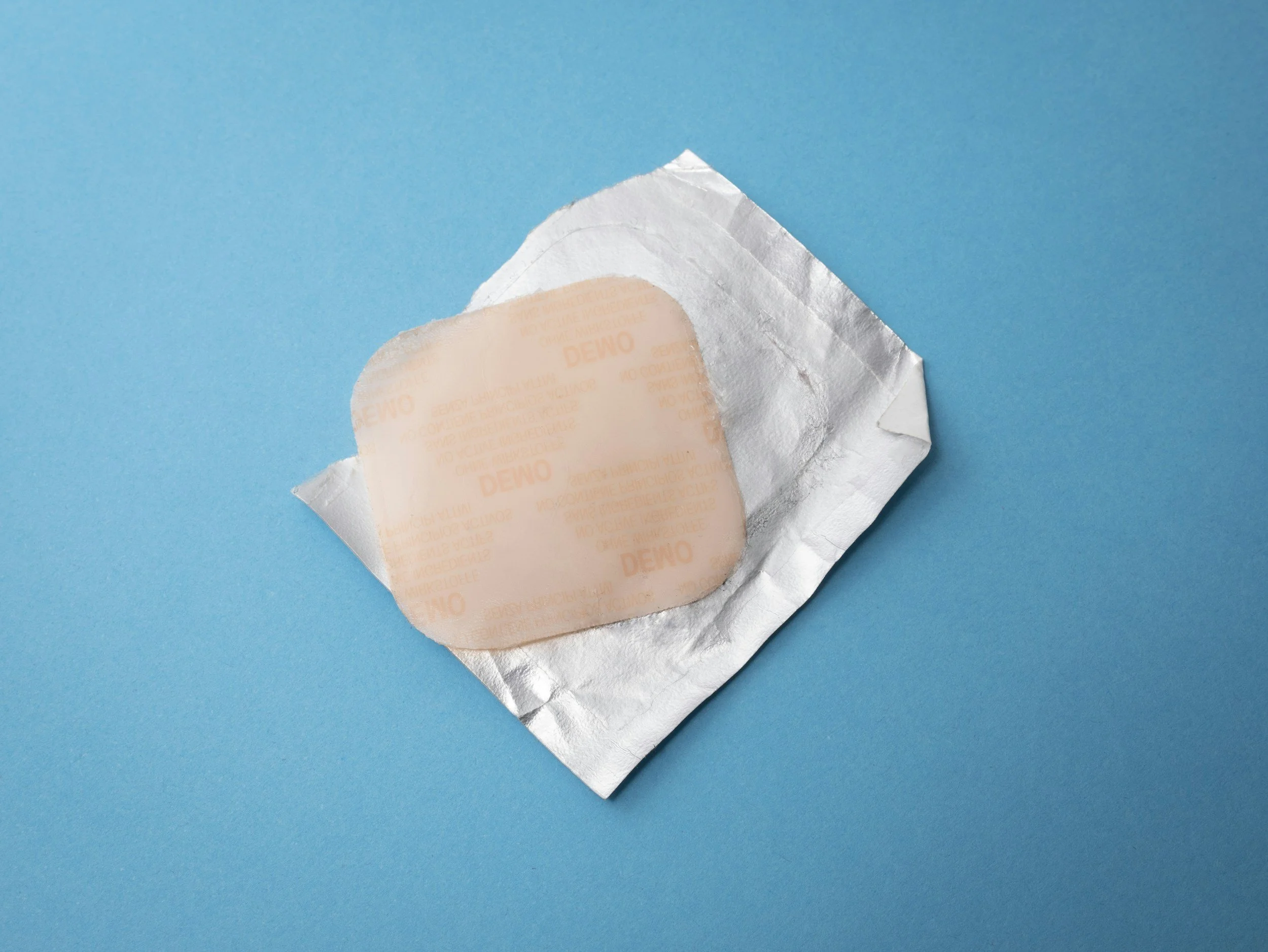
• Vaginal estrogen. Low-dose vaginal estrogen, available as creams, rings, or suppositories, restores moisture and elasticity to vaginal tissue, reduces dyspareunia, and improves lubrication without the systemic absorption concerns associated with oral or transdermal hormone therapy. It is one of the most effective and well-tolerated treatments available for GSM and is appropriate for most postmenopausal women, including many who cannot use systemic hormone therapy.
• Vaginal DHEA (prasterone). Intravaginal dehydroepiandrosterone converts locally to both estrogen and testosterone in vaginal tissue, improving dryness, dyspareunia, and aspects of sexual function. It is an option for women who prefer not to use estrogen directly.
• Systemic hormone therapy. For women with broader menopausal symptoms, systemic hormone therapy may address both vasomotor symptoms and sexual function, though the decision involves a careful risk-benefit discussion with a physician.
• Testosterone therapy. Testosterone therapy for postmenopausal women with low sexual desire has the strongest evidence base among hormonal options for desire specifically, supported by a meta-analysis of 36 randomized controlled trials. It is not currently FDA-approved for this use in the United States, but it is prescribed off-label and discussed in evidence-based clinical guidance.
• Lubricants and moisturizers. Non-hormonal vaginal moisturizers used regularly, and lubricants used during sexual activity, are first-line options for managing dryness and discomfort and can be used alongside or instead of hormonal treatments depending on individual preference and clinical situation.
What Pelvic Floor Therapy Offers
One of the most underutilized and evidence-supported options for postmenopausal sexual function is pelvic floor physical therapy. Many women associate pelvic floor work with incontinence or prolapse, but the research shows clear benefits for sexual function as well.
A 2025 study examining pelvic floor muscle training (PFMT) in postmenopausal women found a significant positive effect on total sexual function scores, with particular improvements in orgasm, arousal, and satisfaction. A 2021 study published in the Journal of Sexual Medicine found 12 weeks of supervised PFMT decreased sexual dysfunction among postmenopausal women.
Pelvic floor therapy addresses the physical changes to muscle tone, nerve sensitivity, and tissue health that contribute to pain during sex, reduced orgasm, and altered arousal. A trained pelvic floor physiotherapist can assess what is happening specifically in your pelvic floor and tailor a program accordingly. This is a meaningful clinical intervention, not a wellness add-on.
What Sex Therapy and Psychological Support Offer
The physical changes of menopause do not occur in a vacuum. They land in a body that carries history, in a relationship or a life with its own context, and in a culture that sends a great many messages about women’s sexuality after midlife, most of them unhelpful.
Sex therapy addresses the dimensions of postmenopausal sexual change that neither estrogen cream nor pelvic floor exercises can fully reach: the grief that sometimes accompanies a changed body, the anxiety about sex being painful before you have even tried, the communication breakdown that occurs when a couple does not have language for what is shifting, and the internalized belief that sexual vitality after menopause is simply not available to you.
A 2025 study of mindfulness-based interventions for sexual health in menopause found mindfulness-based approaches reduced sexual distress and demonstrated positive effects on sexual desire, arousal and sexual function in menopausal women. Mindfulness approaches are particularly relevant for the anticipatory anxiety and attentional interference, the tendency to monitor rather than experience, that commonly develop when sex has become associated with discomfort or disappointment.
Relationship therapy may also help couples navigate the relational dimensions of postmenopausal sexual change: a partner who does not understand what has shifted, a dynamic where frequency has declined and both people have stopped initiating, or the more subtle work of finding new ways of being sexual that account for changed needs and bodies without assuming the old framework no longer applies.
When to Seek Support
You do not need to be in significant distress to benefit from professional support for postmenopausal sexual changes. Curiosity, the desire for accurate information, or the sense that you want to understand your options are all sufficient reasons to reach out.
Specific circumstances that particularly warrant professional attention include:
• Pain during sex that has not responded to lubricants or that is severe enough to make penetration impossible or aversive.
• A significant change in desire or arousal that is causing you or your partner distress.
• Avoidance of sex or intimacy that has become entrenched rather than situational.
• Shame, grief, or a sense of loss around your sexual self that feels persistent and hard to shift alone.
• A relationship where the sexual changes have created distance, conflict, or hurt that has not resolved with time.
If pain is a significant part of your experience, such as vulvodynia or vaginismus, sex therapy can help. Many of the same treatment approaches apply, and a sex therapist who works with painful sex conditions is a relevant resource even when the primary cause is hormonal rather than neurological.
Sex After Menopause Can Be Good. Really Good.
The women who have the best sexual experiences after menopause tend to share a few things: they have accurate information about what has changed and why, they have addressed the physical aspects of those changes with appropriate support, and they have a relationship with their own sexuality that does not depend on their body performing exactly as it did at 35.
That last piece is where sex therapy is most useful. Therapy can offer a space to understand what your sexual life looks like now, what you want it to look like, and how to build toward that with the body and the life you actually have.
At Embrace Sexual Wellness, our Chicago-based sex therapists work with women navigating postmenopausal sexual changes with clinical knowledge, genuine warmth, and without any assumption that sexual vitality has an expiration date. We also collaborate with medical providers and pelvic floor physiotherapists when a coordinated approach serves you best.
If menopause has changed your sexual experience and you are ready to understand what can be done about it, we invite you to schedule a free 10-minute phone consultation today!